Construction Business Books CleanupThe limits under these pages
A construction figure needs a public instruction or a statute section, and the work we will not sign is named here.
Read the privacy page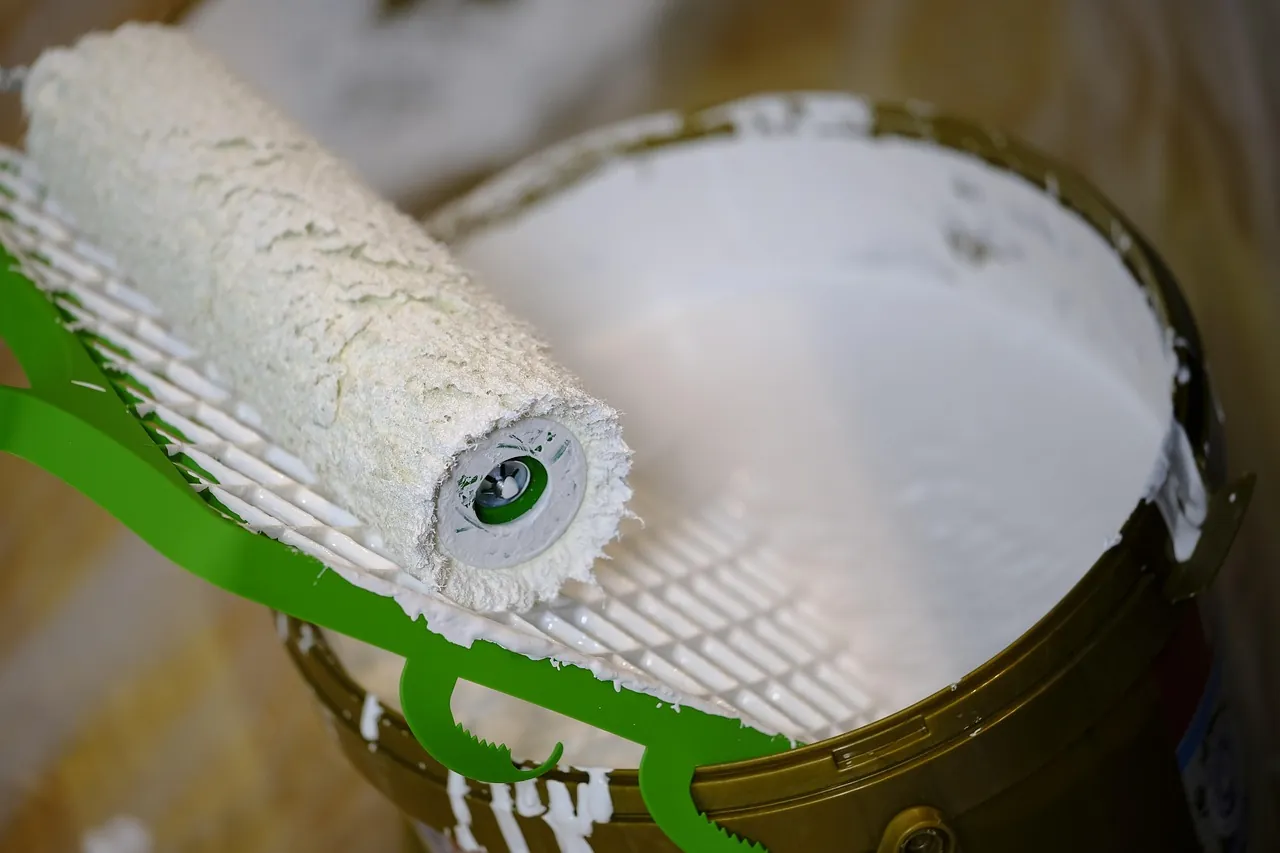
How a number gets onto a construction page
These pages start from the money a job is required to keep back, the clocks that follow a written request, and the difference between one price and a bill that states labor apart from materials. A rate or a date stays only when a public instruction or a statute section sits beside it, and only after that sentence has been read against the limits lower on this page. Send a newer public print through the form and the sentence it replaces comes down the same day.
The hold, the clocks a written request starts, and the sales tax shape of a contract are the subjects. A figure with no statute section and no public instruction beside it does not get a sentence. The draw page uses a made up month and leaves the contract price off, so a reader can see the order of a repair. That shape forecasts nothing about your year. It borrows nobody's books.
We keep a page only when the next three conditions are all true. The office that printed a number is named in the same breath as the number. Close sentences, payday setup sentences, and return sentences all have to fit the limits written on this page. Anything that would let a neighbor point at one company is left out. These pages are a public explanation, never a client file.
A wrong sentence is rewritten on the same page. Softer wording is not allowed to keep the old claim alive. Phone us, name the sentence, and it comes off or it is rewritten here.
Statute, the instructions, and the file
IRS instructions, the contract, and the state's own published page are the public sources we will stand on. If a private report supplied a figure, the company that printed it is named beside the figure. We name the public section when a statute is the source. A memory of a conversation, even a confident one, is not treated as a source.
Sales tax a contractor collected remains a payable until the filing sends it on. That payable stays apart from the hold and apart from profit. The rate is the rate on the state's own page for the period being filed, and this page does not invent a second one. On a contract that states materials apart from labor, the invoice has to follow that split. On a contract that is one price, the books have to show one price. The two shapes are not the same payable.
Federal estimates and the return sit beside the hold. They do not replace it. A calendar year individual generally looks at 15 April, 15 June, 15 September, and 15 January. A corporation's estimate dates are the ones on that year's instructions, and they are not the same four days. A construction return uses only the months that already tie to the bank. We do not draft it on a month that is still open, because the number would only be a guess.
What the federal return reads is the months that have already closed. We do not invent a tax this page cannot cite. A state income tax, where a state has one, is read from that state's instructions. No page here names a building, a suite, or a map pin.
Work this practice will not sign.
Steven Palmieri is not a CPA. Construction books, the hold a job keeps back, payday set up with a provider you already run, and a return prepared only after the months agree with the bank are the work these pages describe.
An audit, a review, and a compilation are assurance products. The firm allowed to sign them is the firm that holds that permission. A finished month from this practice can travel with you when you ask that firm for the signature. The public lookup is the state board lookup. Those three Occupations Code sections, 901.451 and 901.453 and 901.456, are the boundary.
Payday setup ends once the registrations, the pay items, and the job names are in place. After that mapping, the provider already chosen is the one that sends Friday pay. We do not send those Fridays. If a notice asks for papers, this practice answers it in writing. An examination, and the appeal after it, belong with someone else.
A return, a management conversation, and statements an owner can read are the work. The signature on an assurance report belongs to a firm that holds that permission, and this practice is not that firm. If a cleanup is the wrong shape for the mess, you hear that before any letter exists.
Who answers for the work
Services on this site are provided by Steven Palmieri, Dallas, Texas. One phone number in the footer, +1 844-324-7273, is how you reach the practice that both closes the month and picks up. Books and the return stay under that one name on this site.
The words in the web address describe the work. They are not a storefront in a particular town. Owners anywhere meet us by video, with the file shared, and the close still lands on the date we named even when the job is in another state. The same practice still picks up. The number is how you stay with this practice rather than being handed to some other website.
A rate on a public page is the rate repeated here, and it changes on this site only when that public page changes. Sales tax rules have no private edition for one contractor. A fresher public print, dropped in the form, takes the stale sentence down.
A construction company can be a corporation, a limited liability company, an S corporation, or a partnership, and the federal return follows that shape. A sole owner with one company may be on a Schedule C. A partnership files its own return and the owners take the result onto theirs. An S corporation files its own return too, and the wages an owner takes are a different pile from a distribution. We say which shape the file is in before anyone talks about an election. The election is a conversation with the return, not a slogan on this page. Nothing here tells you to change the shape. If a change would help, that conversation happens on a call, with the year still open.
What the photographs actually are
Photographs here are the job and the paperwork, and the credits page names each license. You will see a hard hat, a calculator beside dollar bills, hands signing a form, work gloves, a calculator with coins and a ledger sheet, a hammer, excavator teeth, two ladders, a table of tax papers, a paint roller, work boots, cut lumber ends, a traffic cone, nails, a paint bucket, a metal bucket, a person signing a stack of agreements, and weathered boards. None of the frames is pretending to be a particular town. None borrows a landmark from another country and pastes a local caption on it.
A hard hat is a hard hat. The frame does not claim the photo was taken on your job. A caption names a place only if the frame is that place. These frames are objects, so the captions name objects. When a caption and its frame disagree, we rewrite the caption. The portrait of Steven Palmieri on the home is a practice photograph and is separate from these object files.